The Environmental Group Limited

Menu
From Pilot to Pathway: Scaling PFAS Extraction for Biosolids Management
As PFAS in biosolids becomes an increasing focus for utilities, councils and organics processors, the sector is moving beyond monitoring toward practical solutions. Scaling PFAS extraction is now critical — requiring a clear pathway that moves from pilot validation to infrastructure capable of operating reliably in real treatment environments. In this article, we explore the key stages of building that pathway—from pilot testing and engineering design to regulatory alignment—and how early action can help operators reduce risk, plan infrastructure and protect long-term biosolids management strategies.
Share This Story:
Table of Contents
Why the Sector Needs a Clear PFAS Extraction Pathway
The conversation around PFAS in biosolids has evolved rapidly. Monitoring programs are expanding. Regulatory scrutiny is increasing. Community expectations are shifting.
However, identifying the issue is no longer enough.
What the sector now requires is a defined, scalable PFAS extraction pathway — one that moves from research and pilot validation to industrial implementation with regulatory confidence.
Without a clear pathway, operators remain in a state of uncertainty. With the available PFAS extraction technology, operator finally can plan for the future with a clear infrastructure, allocate capital and protect long-term market access.
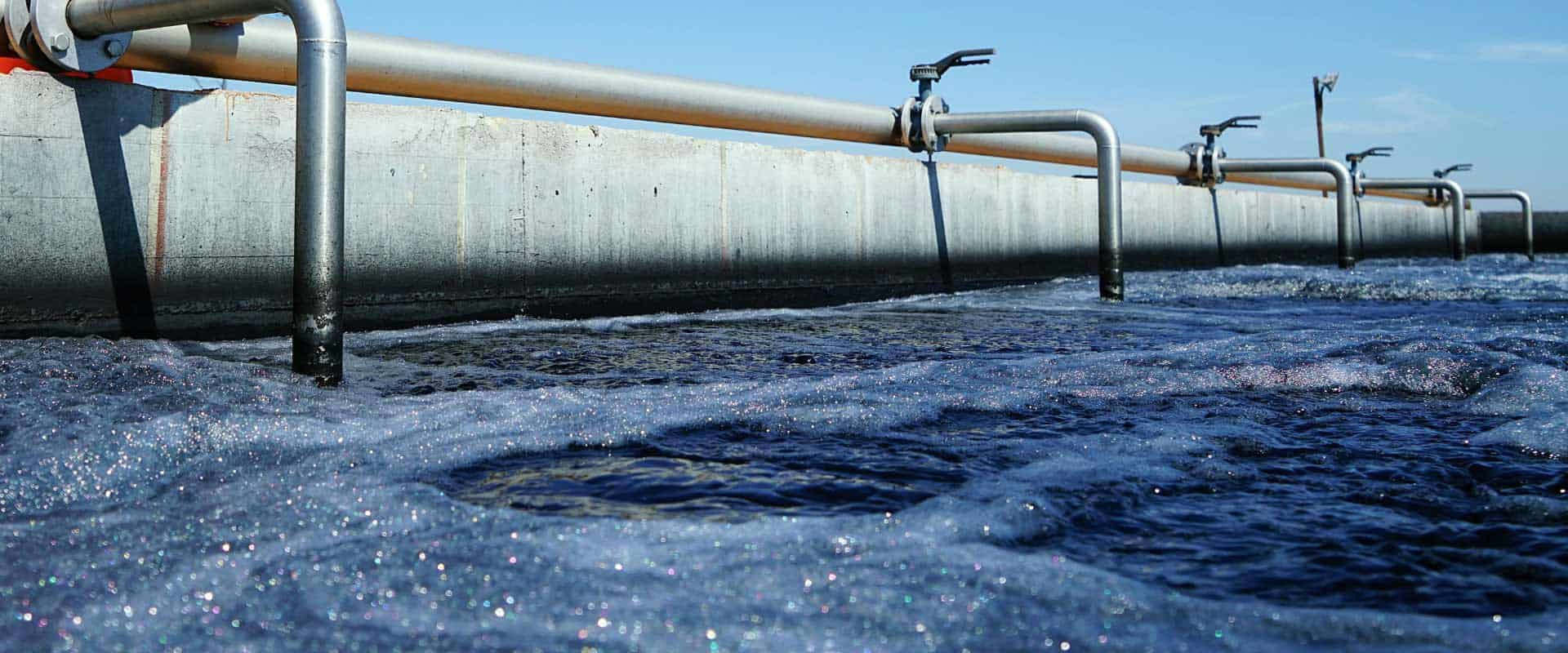
Step One: Moving Beyond Monitoring
For many utilities and processors, the first response to PFAS in biosolids has been testing and reporting. While monitoring is essential, it does not solve the underlying problem.
While monitoring identifies concentration levels, a
PFAS extraction pathway defines what happens next.
Facilities that rely solely on testing remain exposed to future regulatory tightening. In contrast, those developing treatment strategies position themselves ahead of policy shifts.
Therefore, the shift from awareness to action is critical. Not just for operators but for future generations to come.
Step Two: Validating at Pilot Scale
A credible PFAS extraction pathway begins with pilot-scale validation.
Pilot-scale systems test removal performance under realistic operating conditions. They measure:
- Reduction efficiency
- Energy consumption
- By-product management
- Operational stability
Importantly, pilot validation provides defensible data. This data informs engineering design and reduces investment risk.
Without pilot-scale testing, industrial deployment carries significant uncertainty. With it, facilities gain measurable confidence.
Step Three: Engineering for Industrial Scale
Pilot results combined with agile engineering solutions guarantee successful implementation.
An effective PFAS extraction pathway must consider:
- Throughput capacity
- Integration with existing sludge handling systems
- Energy optimisation
- Residual waste management
- Maintenance and operational interfaces
Agile engineering teams prioritise excellence, adapting designs to meet environmental and industrial challenges. Industrial-scale solutions are more than just scaled-up pilots—they demand comprehensive infrastructure planning.
Before committing to capital deployment, facilities must evaluate footprint limitations, hydraulic integration, and lifecycle costs to ensure optimal performance and long-term viability.
Step Four: Regulatory Alignment and Stakeholder Confidence
Regulatory acceptance is central to any PFAS extraction pathway.
Authorities require documented performance data, risk assessments and compliance modelling. Community stakeholders demand transparency and reassurance.
A structured pathway allows operators to demonstrate:
- Proactive risk management
- Evidence-based decision-making
- Alignment with evolving guidelines
This strengthens both regulatory confidence and public trust.
Why Acting Early Creates Advantage
The regulatory landscape for PFAS in biosolids continues to evolve. Thresholds may tighten. Testing requirements may expand. Market expectations may shift.
Facilities that establish a PFAS extraction pathway now benefit in several ways:
- Reduced long-term compliance risk
- Improved capital planning clarity
- Greater resilience against policy changes
- Strengthened market positioning
Conversely, delaying action may lead to reactive, higher-cost interventions later.
In a tightening regulatory environment, preparedness becomes a competitive advantage.
Collaboration Is Essential
No single organisation can define the pathway alone.
- Researchers provide chemical insight.
- Engineers design scalable systems.
- Operators validate performance.
- Regulators define acceptable frameworks.
A successful PFAS extraction pathway depends on collaboration across all stakeholders.
By working together, the sector can move beyond uncertainty and build solutions that are technically robust and commercially viable.
Continuing the Discussion at AORA 2026
The reality is clear: PFAS in biosolids requires practical, scalable and defensible pathways.
Research alone is not enough. Monitoring alone is not enough. The sector now needs validated data, industrial-scale design thinking and regulatory-aligned implementation strategies.
That is exactly why this conversation is moving onto the national stage.
On Thursday 23 April 2026, in partnership with A/Prof Jianhua Zhang from Victoria University we will present:
Pilot-Scale PFAS Extraction from Biosolids: Results and Industry Pathways
Thursday 23 April 2026 | 4:10pm | Technology Showcase
Presenting at Australian Organics Recycling Association (AORA) 2026.
This session will unpack measured pilot-scale results and explore what scalable implementation looks like for utilities, councils and organics processors navigating PFAS in biosolids.
We will also be exhibiting throughout the event and welcome conversations with operators, regulators and infrastructure partners who are seeking credible PFAS pathways.
Ready to Define Your PFAS Extraction Pathway?
If PFAS in biosolids is influencing your operational strategy, compliance planning or capital roadmap, now is the time to move from monitoring to implementation.
Whether you are:
- Exploring pilot-scale validation
- Assessing regulatory exposure
- Planning infrastructure upgrades
- Or seeking a scalable PFAS extraction pathway
We can support the next step.
Connect with us at AORA 2026 — or reach out directly to discuss how a structured, defensible PFAS extraction pathway can protect your long-term biosolids strategy.
Explore scalable PFAS treatment pathways
Related Articles
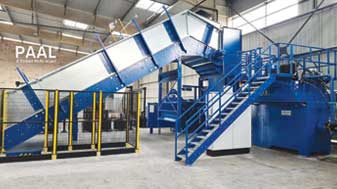
Choosing the right baler matters. The right machine keeps your site moving, reduces handling, lowers transport costs and produces good, dense bales that buyers actually want. The wrong baler slows everything down, requires more labour and increases costs.
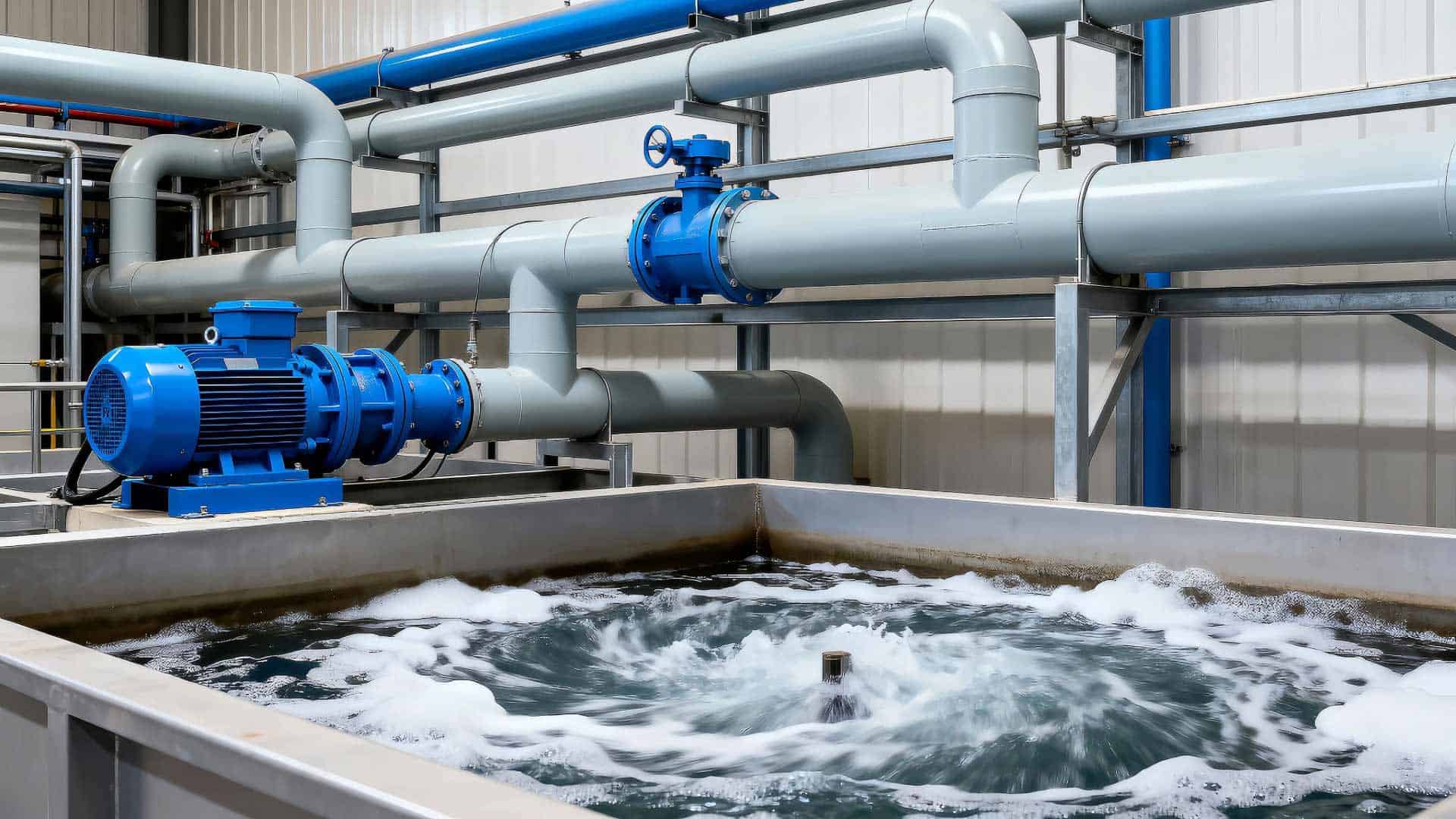
A clear PFAS extraction pathway helps utilities and biosolids operators move from monitoring and pilot testing to scalable, compliant infrastructure for long-term PFAS management.
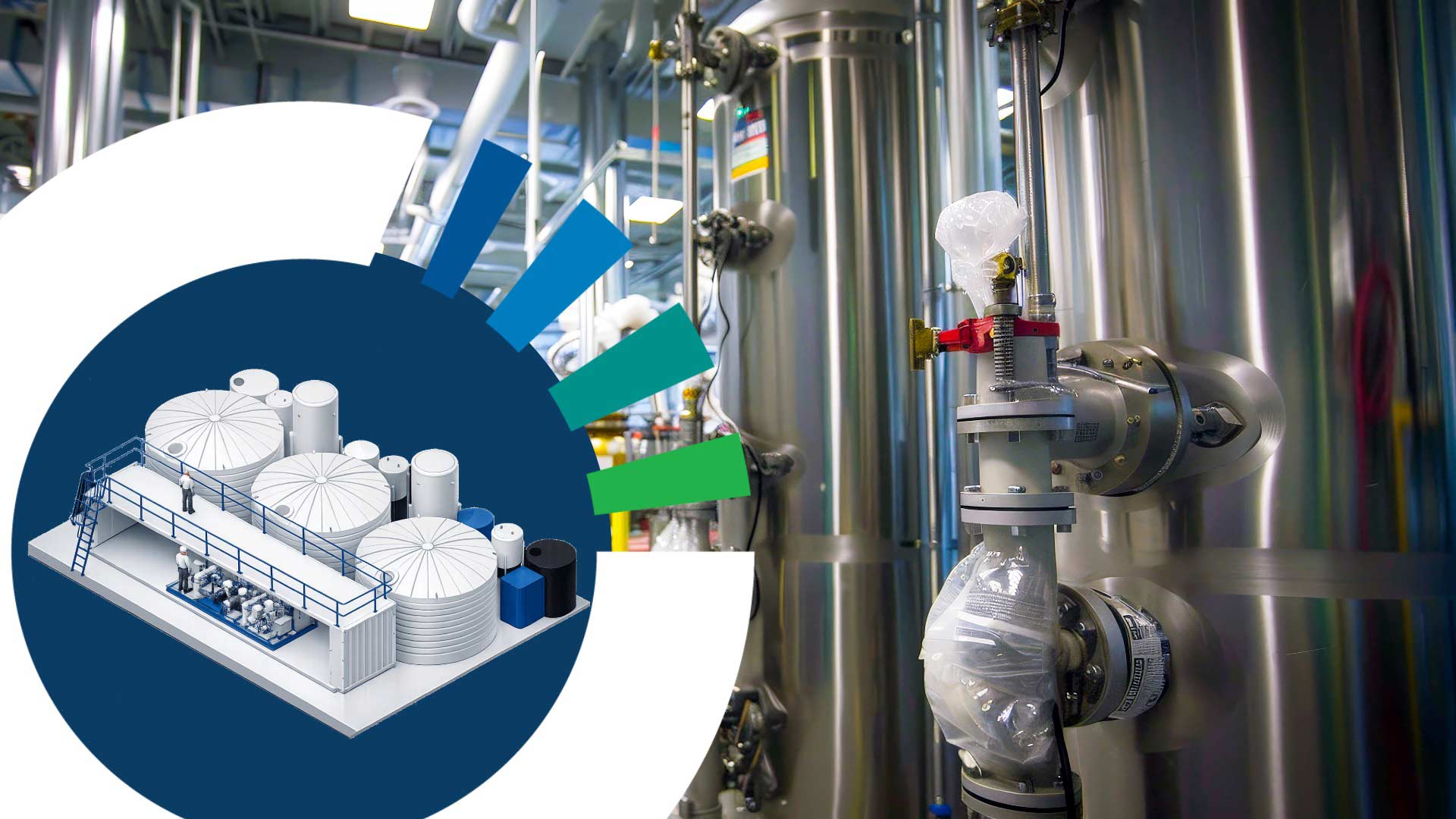
What does pilot-scale PFAS extraction really prove? This article explores how pilot-scale validation bridges the gap between laboratory research and scalable infrastructure solutions for PFAS removal from biosolids and wastewater streams.

PFAS in biosolids is now a regulatory & environmental risk. Discover why it can no longer be ignored & what practical treatment pathways exist.

The PFAS Senate Inquiry 2025 marks a turning point for how Australia manages PFAS contamination. With tighter regulation...
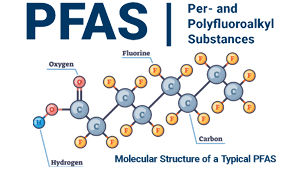
PFAS treatment solutions are shifting beyond activated carbon. As regulations tighten, Australia needs cleaner, scalable technologies that remove PFAS—not just capture it.