The Environmental Group Limited

Menu
What Pilot-Scale PFAS Extraction Really Proves
Pilot-scale PFAS extraction plays a critical role in moving treatment technologies from laboratory research to real-world deployment. While laboratory studies reveal how PFAS compounds behave under controlled conditions, pilot-scale testing demonstrates how those solutions perform within the complex realities of wastewater and biosolids infrastructure.
Share This Story:
Table of Contents
Why Pilot-Scale Matters More Than Ever
In the conversation around PFAS in biosolids, one phrase appears frequently: pilot-scale.
But what does pilot-scale PFAS extraction really prove?
For utilities, councils and organics processors navigating evolving PFAS management expectations, the difference between laboratory research and pilot-scale validation is critical. Laboratory data may demonstrate chemical behaviour under controlled conditions. Pilot-scale testing, by contrast, proves performance under real operational conditions.
That distinction changes everything. Meaningful pilot validation isn’t short-term. It requires time, consistency and scale. In our case, pilot-scale research has been conducted over a comprehensive 3-year program, designed to test performance under live operating conditions, evolving loads and real waste streams.
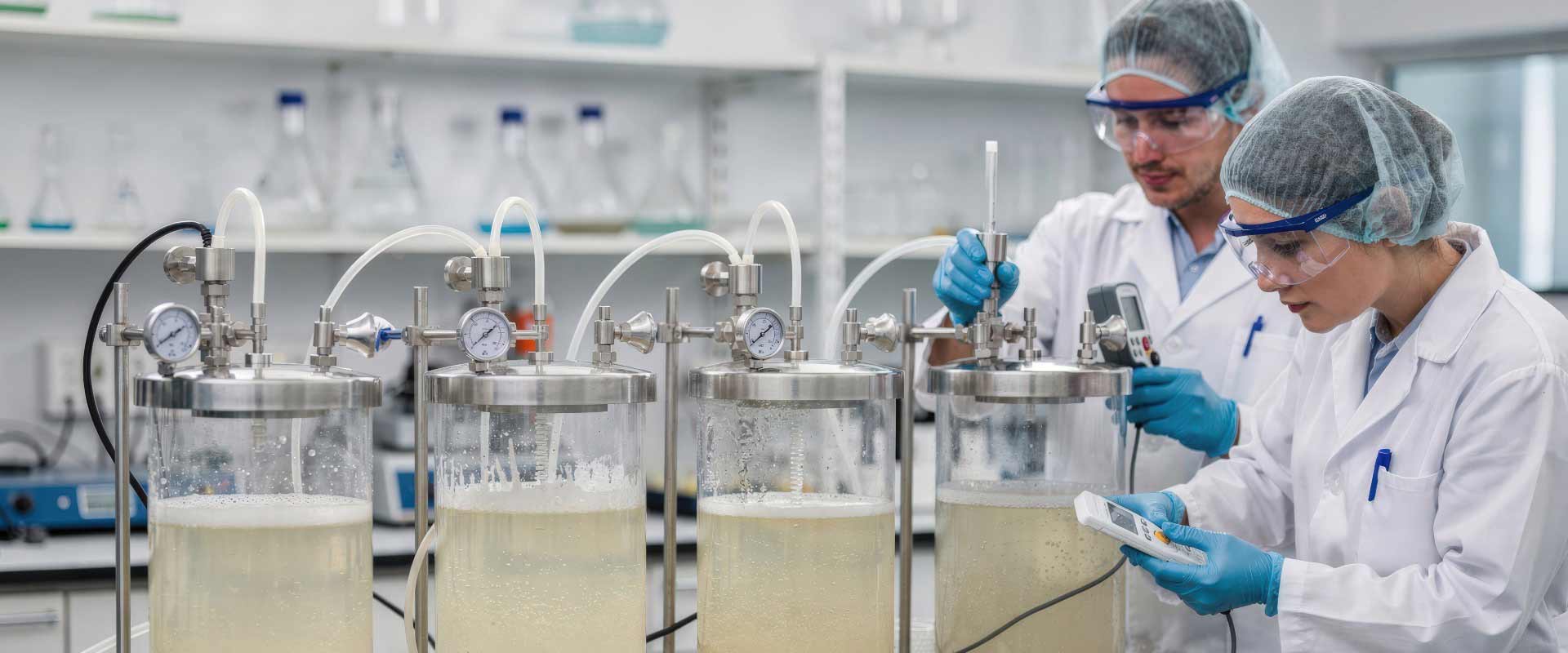
Laboratory Results vs Pilot-Scaled Conditions
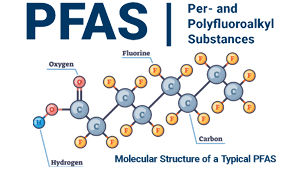
Laboratory studies help us understand how PFAS compounds respond to certain treatment methods. They provide insight into PFAS consistencies, molecule structure, degradation pathways and chemical behaviour.
Yet laboratory conditions are stable, tightly controlled and small in volume. As a result, they provide limited insight into how PFAS behave and break down under real operational conditions.
Pilot-scale studies help bridge this gap by testing treatment technologies in environments that more closely reflect real-world operations.
Wastewater facilities deal with:
- Variable influent concentrations
- Fluctuating flow rates
- Mixed contaminant streams
- Temperature variations
- Operational constraints
Therefore, pilot-scale PFAS extraction provides both, the theoretical and practical insight.
It tests treatment performance under real flow conditions. It accounts for variability. Most importantly, it produces defensible, site-relevant data.
What Pilot-Scale PFAS Extraction Actually Demonstrates
1. Performance Under Operational Load
Pilot-scale PFAS extraction validates removal efficiency at realistic throughputs. It answers the question: does this solution work when scaled beyond a beaker?
Operators can measure:
- Reduction percentages
- Residual concentrations
- By-product management
- Energy inputs
This moves the conversation from hypothetical to measurable.
2. Repeatability and Stability
Consistency is as important as peak performance.
A pilot-study demonstrates whether results can be maintained over time, across changing influent profiles and during operational adjustments. Regulators and asset owners need stable data before committing to capital investment.
Without pilot-scale validation, claims remain untested under stress.
3. Integration Feasibility
A pilot-scale study does not operate in isolation. It must integrate into existing infrastructures.
Pilot-scale PFAS extraction allows engineers to evaluate:
- Footprint requirements
- Hydraulic integration
- Energy demand
- Operator interface
- Maintenance needs
These considerations directly influence industrial-scale viability.
Why Pilot Data Is Critical for Decision-Makers
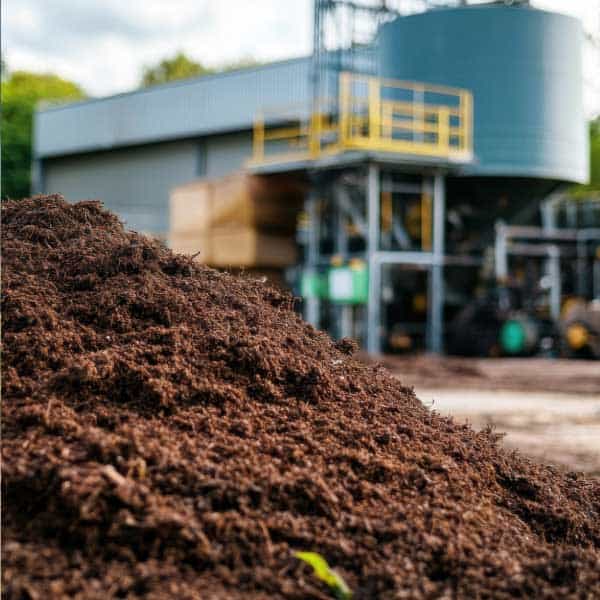
Utilities and councils face long planning cycles and significant capital commitments. Investment decisions require evidence, a tested and stable technology and not assumptions.
When PFAS in biosolids becomes a regulatory or community concern, decision-makers must demonstrate due diligence. Pilot-scale validation provides:
- Documented performance metrics
- Risk reduction analysis
- Operational cost modelling
- Engineering scalability assessment
In other words, pilot-scale PFAS extraction transforms a concept into an investment case.
From Validation to Industrial Scale
It is important to recognise that pilot-scale does not mean “small forever.”
Instead, it provides the blueprint for industrial deployment.
A successful pilot program informs:
- Design parameters
- Equipment sizing
- Process sequencing
- Energy modelling
- Compliance documentation
Without this step, industrial-scale implementation carries significant risk.
With it, facilities can move forward confidently.
Continuing the Conversation at AORA 2026
The question is no longer whether PFAS in biosolids requires attention. The sector already understands the scale of the challenge. The focus now is how to implement scalable, practical solutions that can operate reliably within real infrastructure environments.
On Thursday 23 April 2026, along with our partner from Victoria University, we will present:
Pilot-Scale PFAS Extraction from Biosolids: Results and Industry Pathways
Thursday 23 April 2026 | 4:10pm | Technology Showcase
Presenting at Australian Organics Recycling Association (AORA) 2026.
This session will explore our 3-year pilot-scale findings, measured pilot-scale results and unpack what those findings mean for industrial-scale deployment across utilities, councils and organics processors.
We will also be exhibiting throughout the event and welcome discussions with operators, regulators and infrastructure partners who are evaluating practical PFAS pathways.
Ready to Move Beyond Theory?
If PFAS in biosolids features in your operational or strategic planning, now is the time to assess pilot-scale validation and take steps to eliminate PFAS from biosolids for good.
Whether you are:
- Assessing regulatory exposure
- Exploring treatment technologies
- Planning future infrastructure upgrades
- Or building a defensible compliance strategy
We can help you move from uncertainty to evidence-based action.
Connect with us at AORA 2026 to learn how our validated PFAS extraction technology is now being deployed to deliver scalable PFAS removal solutions for wastewater, biosolids and contaminated soil streams.
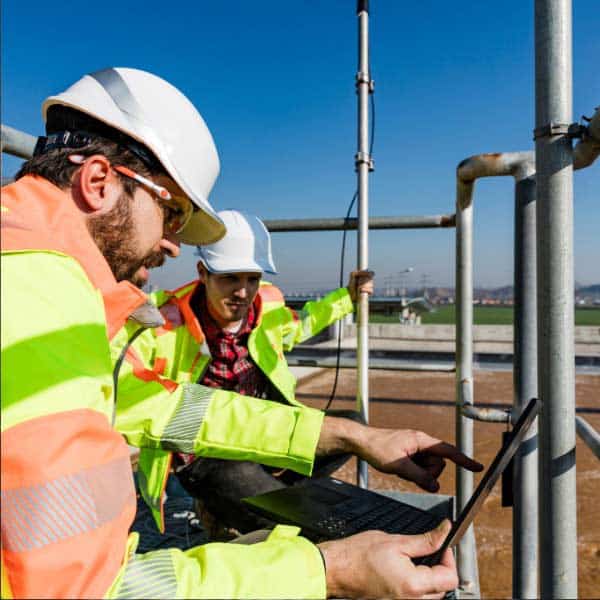
Explore scalable PFAS treatment pathways
Related Articles
Choosing the right baler matters. The right machine keeps your site moving, reduces handling, lowers transport costs and produces good, dense bales that buyers actually want. The wrong baler slows everything down, requires more labour and increases costs.
A clear PFAS extraction pathway helps utilities and biosolids operators move from monitoring and pilot testing to scalable, compliant infrastructure for long-term PFAS management.
What does pilot-scale PFAS extraction really prove? This article explores how pilot-scale validation bridges the gap between laboratory research and scalable infrastructure solutions for PFAS removal from biosolids and wastewater streams.
PFAS in biosolids is now a regulatory & environmental risk. Discover why it can no longer be ignored & what practical treatment pathways exist.

The PFAS Senate Inquiry 2025 marks a turning point for how Australia manages PFAS contamination. With tighter regulation...
PFAS treatment solutions are shifting beyond activated carbon. As regulations tighten, Australia needs cleaner, scalable technologies that remove PFAS—not just capture it.