The Environmental Group Limited

Menu
PFAS in Biosolids: Why the Sector Can No Longer Ignore the Risk
PFAS in biosolids is emerging as one of the most significant risk factors facing Australia’s waste and wastewater sector. What was once considered a downstream contamination issue is now reshaping regulatory frameworks, market access and long-term infrastructure planning. As detection limits tighten and community scrutiny increases, utilities and organics processors can no longer rely on monitoring alone. The sector must move from awareness to action — and develop practical, defensible pathways for managing PFAS in biosolids at scale.
Share This Story:
Table of Contents
The Growing Reality of PFAS in Biosolids
PFAS in biosolids is no longer a niche technical concern. It has become a critical environmental, regulatory and operational issue for utilities, councils and organics processors across Australia.
Per- and polyfluoroalkyl substances (PFAS) are persistent chemicals commonly found in firefighting foams, industrial processes and consumer products. Because these compounds resist heat, water and degradation, they accumulate in wastewater treatment systems. As a result, they often concentrate in biosolids.
For decades, land application of biosolids has supported nutrient recycling and circular economy outcomes. However, the presence of PFAS in biosolids now challenges that pathway. Regulators are tightening discharge limits. Communities are demanding transparency. Operators are navigating increased compliance expectations.
In short, PFAS in biosolids can no longer be ignored.
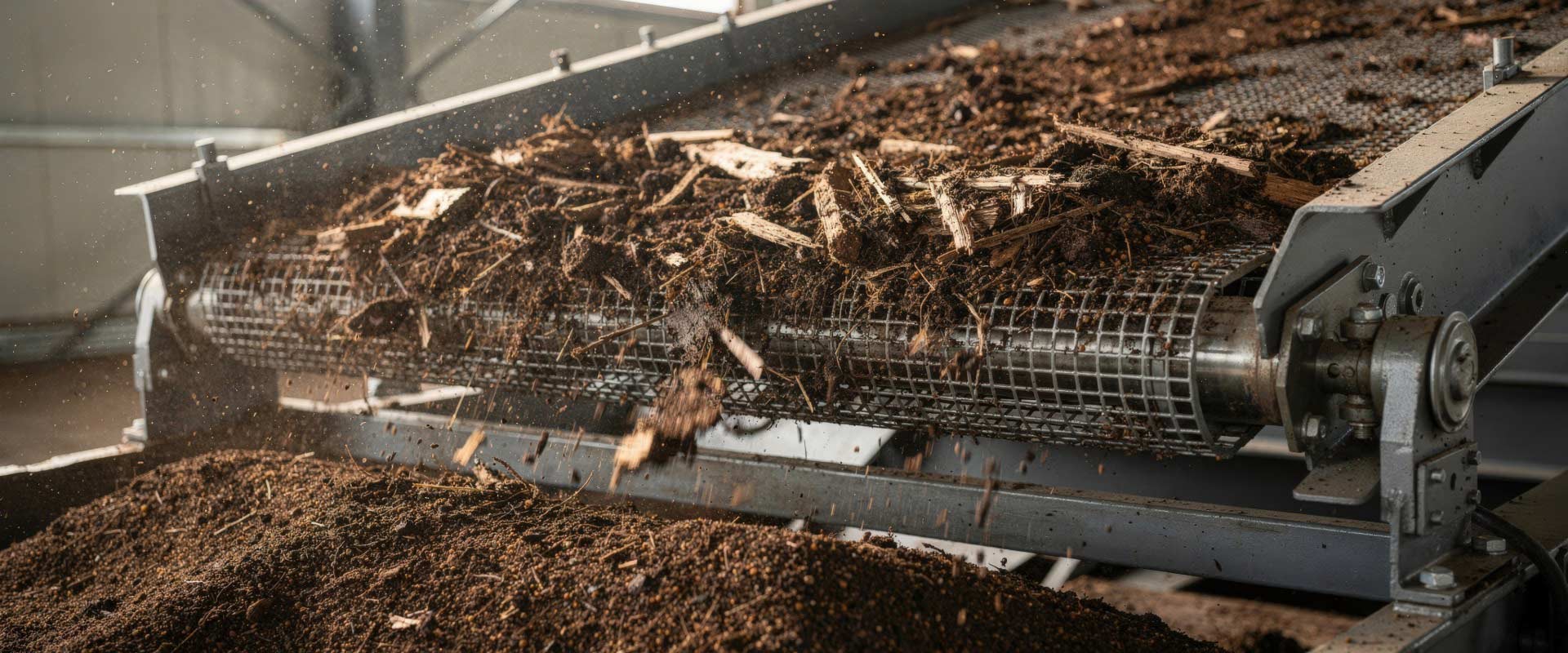
Why PFAS in Biosolids Is a Sector-Wide Risk
Regulatory Pressure Is Increasing
Across Australia and globally, regulatory frameworks are evolving rapidly. Thresholds for PFAS detection are decreasing. Testing regimes are becoming more frequent. In some regions, precautionary approaches are already restricting biosolids reuse.
Consequently, operators who rely on land application must now demonstrate greater control and accountability.
Ignoring PFAS in biosolids does not reduce liability. Instead, it increases exposure.
Environmental and Community Expectations Are Changing
Communities expect safe and sustainable resource recovery. When PFAS contamination becomes public, reputational damage can occur quickly. Even facilities operating within existing guidelines may face community resistance if PFAS in biosolids is not proactively managed.
Therefore, environmental stewardship must now include credible PFAS pathways.
Market Access Is Under Threat
In addition, end markets for biosolids products may become constrained if contamination concerns persist. Agriculture, landscaping and land rehabilitation markets are increasingly sensitive to chemical risks.
Without a defined strategy for PFAS in biosolids, long-term market viability may be compromised.
Understanding the Technical Challenge
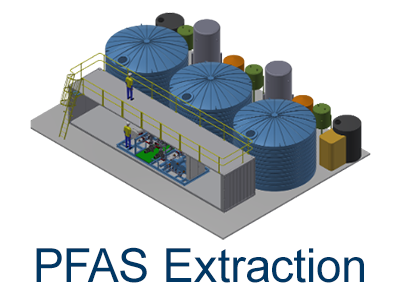
PFAS compounds are complex. They vary in chain length, mobility and behaviour under thermal or biological treatment. Traditional wastewater processes were not designed to remove them. As a result, they partition into sludge during treatment.
This creates a concentration effect. Even low influent levels can lead to measurable PFAS in biosolids.
Historically, management approaches have focused on containment rather than removal. However, containment does not eliminate risk. It simply shifts it.
To address PFAS in biosolids effectively, operators must move beyond monitoring and toward validated treatment or extraction solutions.
From Monitoring to Action: What Industry Must Consider
1. Source Identification
First, operators must understand upstream contributors. Industrial trade waste, landfill leachate and legacy contamination can all elevate PFAS levels. Targeted source control programs can reduce loading. However, source control alone rarely solves the entire problem.
2. Pilot-Scale Validation
Second, emerging treatment technologies must be tested under realistic operating conditions. Pilot-scale trials provide measurable data on removal efficiency, energy demand and by-product management.
Importantly, pilot validation moves the conversation from theory to evidence.
3. Scalable Implementation Pathways
Finally, any solution must be scalable. A laboratory result does not equal industrial viability. Engineering integration, operational reliability and lifecycle cost must all be considered.
This is where the sector must shift its mindset: PFAS in biosolids is not just a laboratory issue. It is an infrastructure planning issue.

PFAS in Biosolids: The Strategic Implications for Utilities and Councils
Ignoring PFAS in biosolids today creates compounded risk tomorrow.
Utilities must consider:
- Future regulatory tightening
- Insurance and liability exposure
- Community trust
- Capital planning impacts
Councils must consider:
- Waste strategy alignment
- Procurement policies
- Long-term contract risks
- Public transparency obligations
Therefore, proactive planning is not optional. It is essential.
Building a Credible PFAS Pathway
A credible pathway for PFAS in biosolids includes:
- Evidence-based research
- Transparent pilot-scale results
- Industrial-scale engineering design
- Regulatory alignment
- Stakeholder engagement
Industry leadership will not come from denial or delay. It will come from collaboration between researchers, operators, technology providers and regulators.
Furthermore, early adopters of practical PFAS extraction or treatment solutions will strengthen their long-term position in the market.
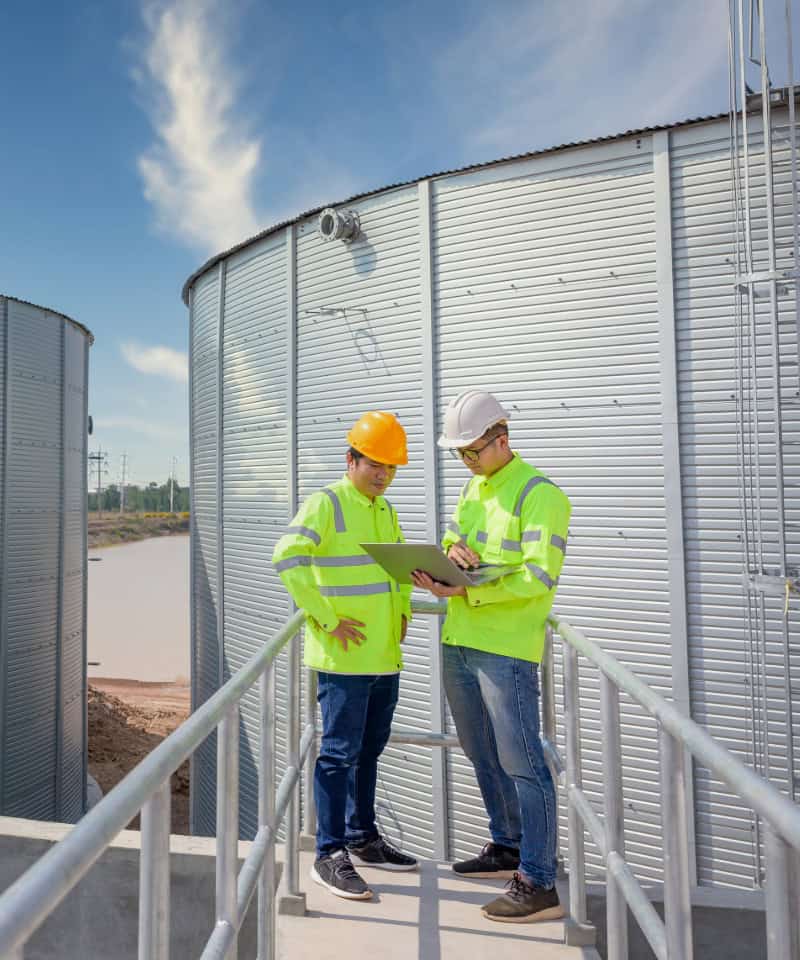
Continuing the Conversation - PFAS in Biosolids
The reality is clear: PFAS in biosolids requires practical, scalable and defensible pathways.
Research alone is not enough. Monitoring alone is not enough. The sector now needs validated data, industrial-scale design thinking and regulatory-aligned implementation strategies.
That is exactly why this conversation is moving onto the national stage.
On Thursday 23 April 2026, in partnership with Victoria University we will present:
Pilot-Scale PFAS Extraction from Biosolids: Results and Industry Pathways
Thursday 23 April 2026 | 4:10pm | Technology Showcase
Presenting at Australian Organics Recycling Association (AORA) 2026.
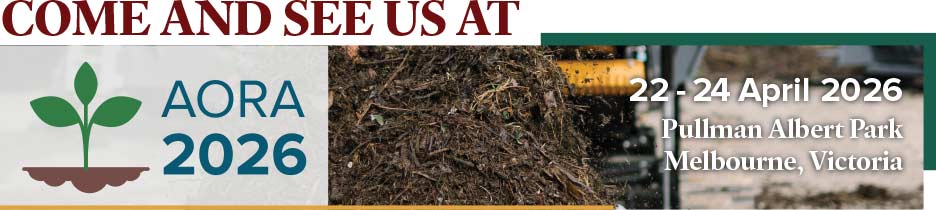
This session will unpack measured pilot-scale results and explore what scalable implementation looks like for utilities, councils and organics processors navigating PFAS in biosolids.
We will also be exhibiting throughout the event and welcome conversations with operators, regulators and infrastructure partners who are seeking credible PFAS pathways.
Let’s Build a Defensible Pathway Together
If PFAS in biosolids is impacting your facility, planning horizon or compliance strategy, now is the time to act.
Whether you are:
We are ready to support the next step.
Connect with us at AORA 2026 — or reach out directly to discuss how we can help you develop a practical, compliant and scalable pathway for PFAS in biosolids. Because ignoring the issue is no longer an option. Building a pathway is.
- Assessing your risk exposure
- Exploring pilot-scale validation
- Designing an industrial-scale solution
- Or aligning with evolving regulatory expectations
We are ready to support the next step.
Connect with us at AORA 2026 — or reach out directly to discuss how we can help you develop a practical, compliant and scalable pathway for PFAS in biosolids. Because ignoring the issue is no longer an option. Building a pathway is.
Explore scalable PFAS treatment pathways
Related Articles
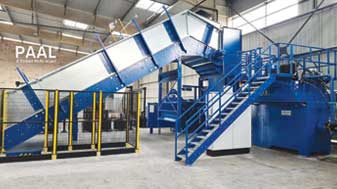
Choosing the right baler matters. The right machine keeps your site moving, reduces handling, lowers transport costs and produces good, dense bales that buyers actually want. The wrong baler slows everything down, requires more labour and increases costs.
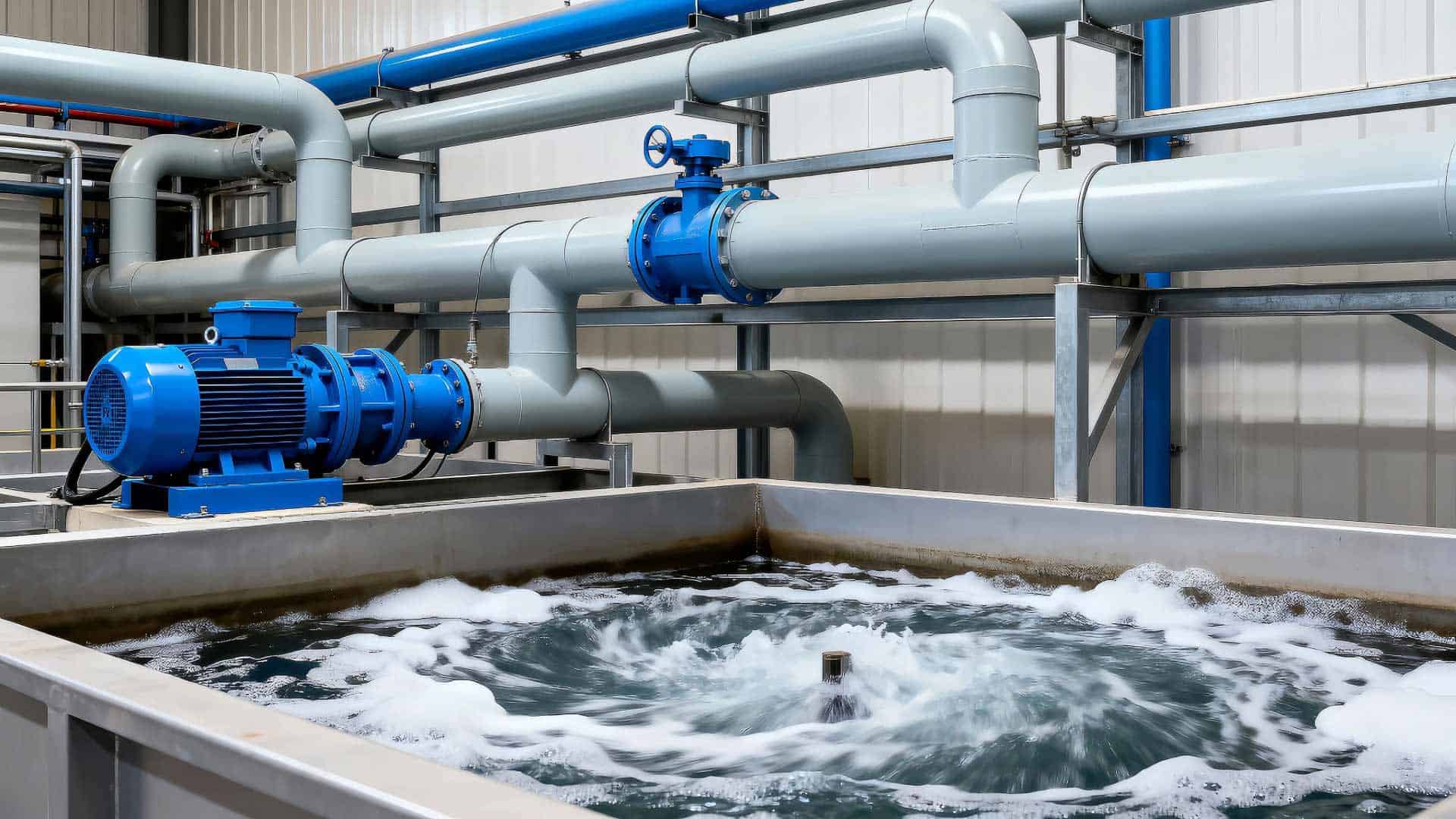
A clear PFAS extraction pathway helps utilities and biosolids operators move from monitoring and pilot testing to scalable, compliant infrastructure for long-term PFAS management.
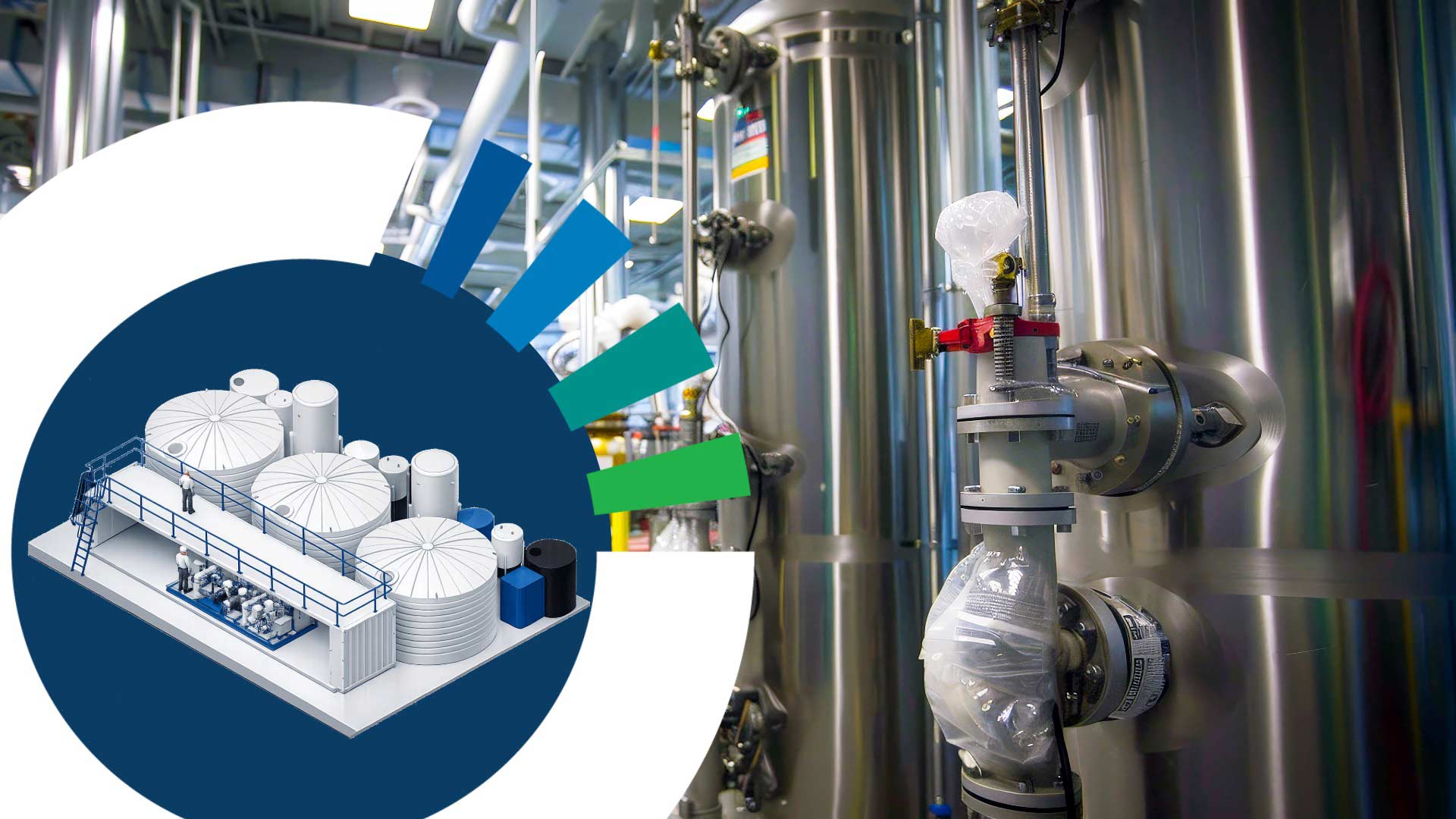
What does pilot-scale PFAS extraction really prove? This article explores how pilot-scale validation bridges the gap between laboratory research and scalable infrastructure solutions for PFAS removal from biosolids and wastewater streams.

PFAS in biosolids is now a regulatory & environmental risk. Discover why it can no longer be ignored & what practical treatment pathways exist.

The PFAS Senate Inquiry 2025 marks a turning point for how Australia manages PFAS contamination. With tighter regulation...
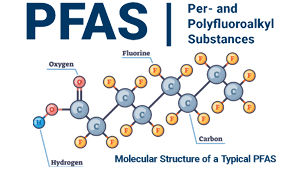
PFAS treatment solutions are shifting beyond activated carbon. As regulations tighten, Australia needs cleaner, scalable technologies that remove PFAS—not just capture it.