The Environmental Group Limited

Menu
PFAS NEMP 3.1 Update: What It Means for PFAS Compliance in Australia
Australia’s approach to PFAS management continues to evolve as new scientific evidence emerges. The latest update to the National Environmental Management Plan, PFAS NEMP 3.1, introduces important changes that organisations managing PFAS-contaminated water, soil, biosolids and waste streams should understand.
For water utilities, councils, waste operators, infrastructure projects and industrial facilities, the update reinforces the need for ongoing PFAS compliance and highlights how regulatory expectations are continuing to develop across Australia.
Share This Story:
Table of Contents
What is PFAS NEMP 3.1?
The PFAS National Environmental Management Plan (NEMP) is Australia’s nationally consistent framework for the investigation, assessment and management of PFAS contamination. Developed collaboratively by Australian, state, territory and New Zealand environmental regulators, it provides guidance for risk assessment, remediation and environmental management.
Version 3.0 was released in 2025 and introduced significant updates relating to:
- Investigation and risk assessment guideline values
- Contaminated land remediation
- Resource recovery products
- Biosolids management
- Wastewater treatment
- Monitoring and sampling requirements
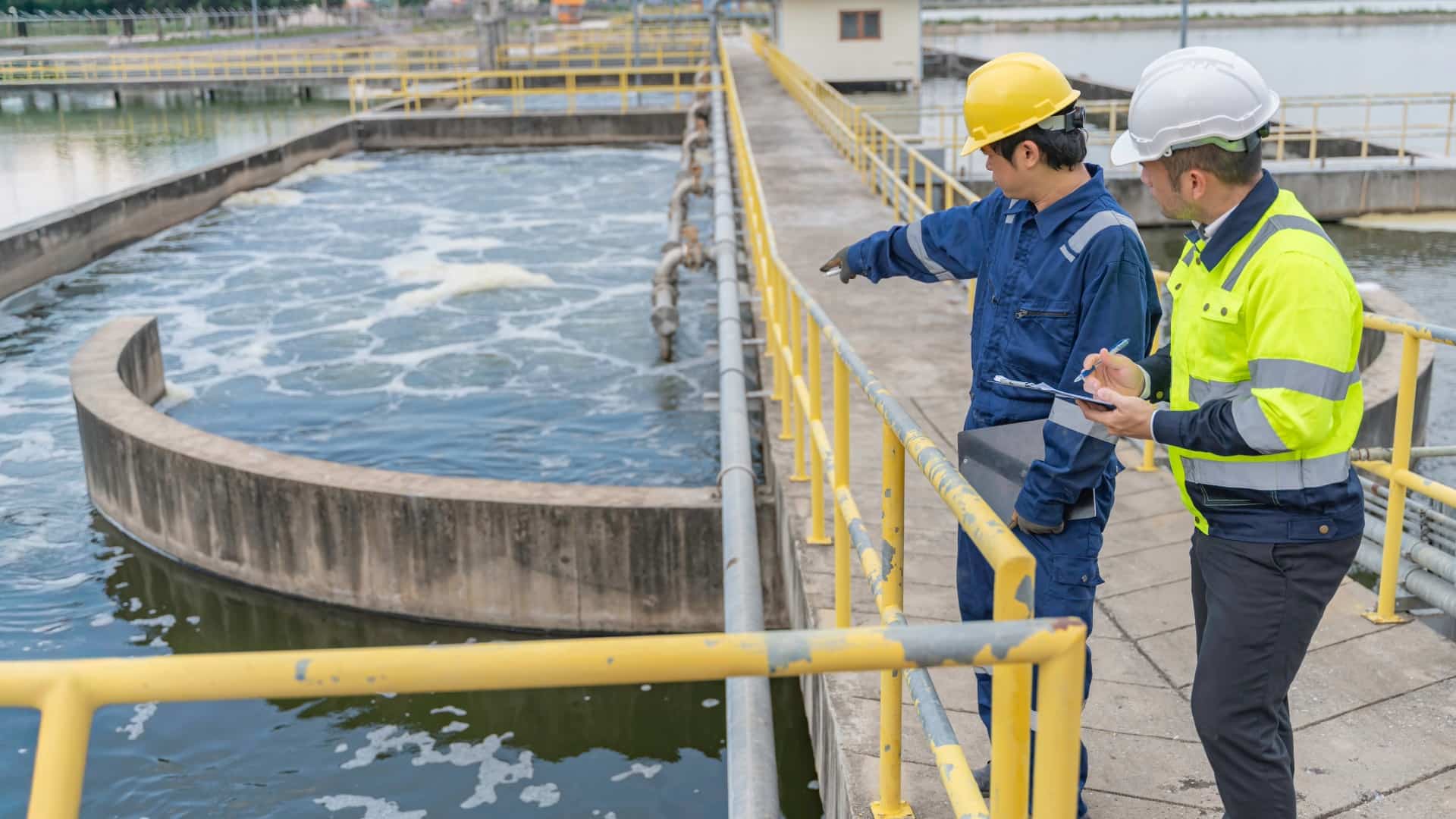
PFAS NEMP 3.1 builds on this foundation by incorporating updated drinking water and environmental guideline values released since NEMP 3.0 was published.
What Changed in PFAS NEMP 3.1?
The most significant update relates to revised health-based drinking water guidance.
In June 2025, the National Health and Medical Research Council (NHMRC) updated the Australian Drinking Water Guidelines (ADWG) for PFAS. PFAS NEMP 3.1 incorporates these revised values and confirms how they should be applied during risk assessments.
The update also incorporates revised Australian and New Zealand Guidelines for Fresh and Marine Water Quality (ANZG) values for PFOS in freshwater and marine environments released in 2026.
Importantly, while drinking water assessment values have changed, many of the broader environmental guideline values used for soil, biosolids and other exposure pathways remain unchanged. This distinction is critical for organisations undertaking PFAS investigations or remediation projects.
Why PFAS NEMP 3.1 Matters
Although PFAS NEMP is not legislation itself, it strongly influences how regulators assess PFAS contamination and determine compliance expectations.
Many state environmental regulators use the NEMP as the foundation for contaminated land assessments, remediation projects, wastewater management and resource recovery decisions. As a result, updates to the NEMP often flow through to practical regulatory requirements.
For organisations responsible for PFAS management, the update means:
- Existing risk assessments may need review
- Drinking water exposure pathways may require reassessment
- Monitoring programs may need updating
- Remediation strategies may need refinement
- Future compliance obligations could become more stringent
As regulators continue adopting NEMP 3.0 and 3.1 principles, organisations that proactively review their PFAS management frameworks will be better positioned to respond to future regulatory changes.
Understanding PFAS Regulations by State
One challenge facing industry is that PFAS regulations by state are not always implemented identically.
While PFAS NEMP provides nationally consistent guidance, each state and territory adopts and applies the framework through its own environmental legislation and regulatory processes. Some jurisdictions have already incorporated NEMP 3.0 principles into guidance documents, licensing requirements and contaminated land frameworks, while others are progressing implementation through consultation and policy updates.
This means organisations operating across multiple jurisdictions should understand both the national framework and the specific requirements of their local environmental regulator.
The trend, however, is clear. Regulators across Australia are moving towards more consistent PFAS standards and increasingly risk-based management approaches.
What Does This Mean for PFAS Water Treatment Plants?
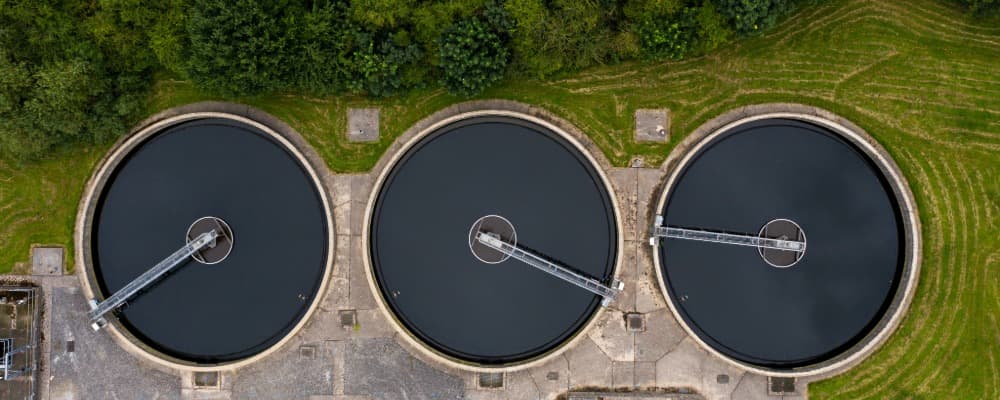
The latest update has particular relevance for operators of wastewater treatment facilities, water utilities and organisations managing PFAS-contaminated water streams.
As drinking water and environmental guideline values evolve, pressure continues to increase on treatment systems to achieve lower PFAS concentrations while maintaining operational efficiency.
For many operators, traditional containment or transfer-based approaches are becoming less attractive as long-term solutions. Instead, greater attention is being placed on technologies capable of reducing PFAS concentrations while minimising waste generation and supporting regulatory reporting requirements.
This trend is likely to drive further investment in advanced PFAS water treatment plant infrastructure and treatment technologies capable of addressing increasingly complex compliance requirements.
Learn how our PFAS Extraction Technology removes PFAS from wastewater, leachate and biosolids while generating significantly less waste than conventional treatment approaches.
The Shift Towards Active PFAS Treatment
One of the most notable themes emerging from PFAS NEMP 3.0 adoption and the subsequent 3.1 update is a growing emphasis on treatment and risk reduction rather than simply managing contamination.
Recent guidance places greater focus on remediation pathways, resource recovery considerations and long-term environmental outcomes. This reflects a broader industry shift towards identifying practical solutions that can reduce PFAS concentrations while supporting compliance objectives.
As PFAS standards continue to evolve, organisations are increasingly evaluating technologies that can:
- Remove PFAS from contaminated water
- Reduce PFAS concentrations in waste streams
- Minimise residual waste volumes
- Support environmental reporting requirements
- Improve long-term compliance outcomes

Preparing for the Future of PFAS Compliance
PFAS NEMP 3.1 reinforces an important reality for industry: PFAS management is no longer a static compliance exercise.
Scientific understanding, health guidance and environmental regulations continue to evolve. Organisations that rely solely on historical assessments or legacy management practices may find themselves exposed to future compliance risks.
A proactive approach should include:
- Reviewing existing PFAS risk assessments
- Understanding updated PFAS guidelines Australia-wide
- Monitoring changes in state regulatory frameworks
- Evaluating treatment and remediation options
- Developing long-term PFAS management strategies
For organisations operating a PFAS plant, wastewater facility, landfill, resource recovery operation or industrial site, staying aligned with evolving PFAS compliance expectations will be critical as regulators continue implementing the latest national guidance.
Final Thoughts
PFAS NEMP 3.1 may appear to be a relatively targeted update, but its implications are significant. By incorporating revised drinking water and environmental guideline values, the update further strengthens Australia’s evolving framework for PFAS management.
For organisations managing PFAS risks, now is the time to review compliance strategies, reassess treatment pathways and ensure environmental management practices remain aligned with the latest PFAS standards and regulatory expectations.
As PFAS regulations continue to mature across Australia, proactive planning today can help reduce compliance risks tomorrow.
Sources: PFAS NEMP 3.1, Department of Climate Change, Energy, the Environment and Water; NHMRC Drinking Water Guidelines; HEPA guidance documents.
Sources: PFAS NEMP 3.1, Department of Climate Change, Energy, the Environment and Water; NHMRC Drinking Water Guidelines; HEPA guidance documents.
What is PFAS NEMP 3.1?
PFAS NEMP 3.1 is the latest update to Australia’s National Environmental Management Plan for PFAS, incorporating revised drinking water and environmental guideline values.
Is PFAS NEMP 3.1 legally enforceable?
The NEMP itself is guidance, but it heavily influences how environmental regulators assess PFAS compliance and contamination management.
What industries are affected by PFAS NEMP 3.1?
Water utilities, councils, waste operators, resource recovery facilities, infrastructure projects, airports, defence sites and industrial facilities may all be impacted.
How does PFAS NEMP 3.1 affect water treatment plants?
Updated guideline values may require revised monitoring programs, risk assessments and evaluation of treatment technologies to maintain compliance.
Book a Free PFAS Consultation!
Further Reading on PFAS Compliance in Australia
Choosing the right baler matters. The right machine keeps your site moving, reduces handling, lowers transport costs and produces good, dense bales that buyers actually want. The wrong baler slows everything down, requires more labour and increases costs.
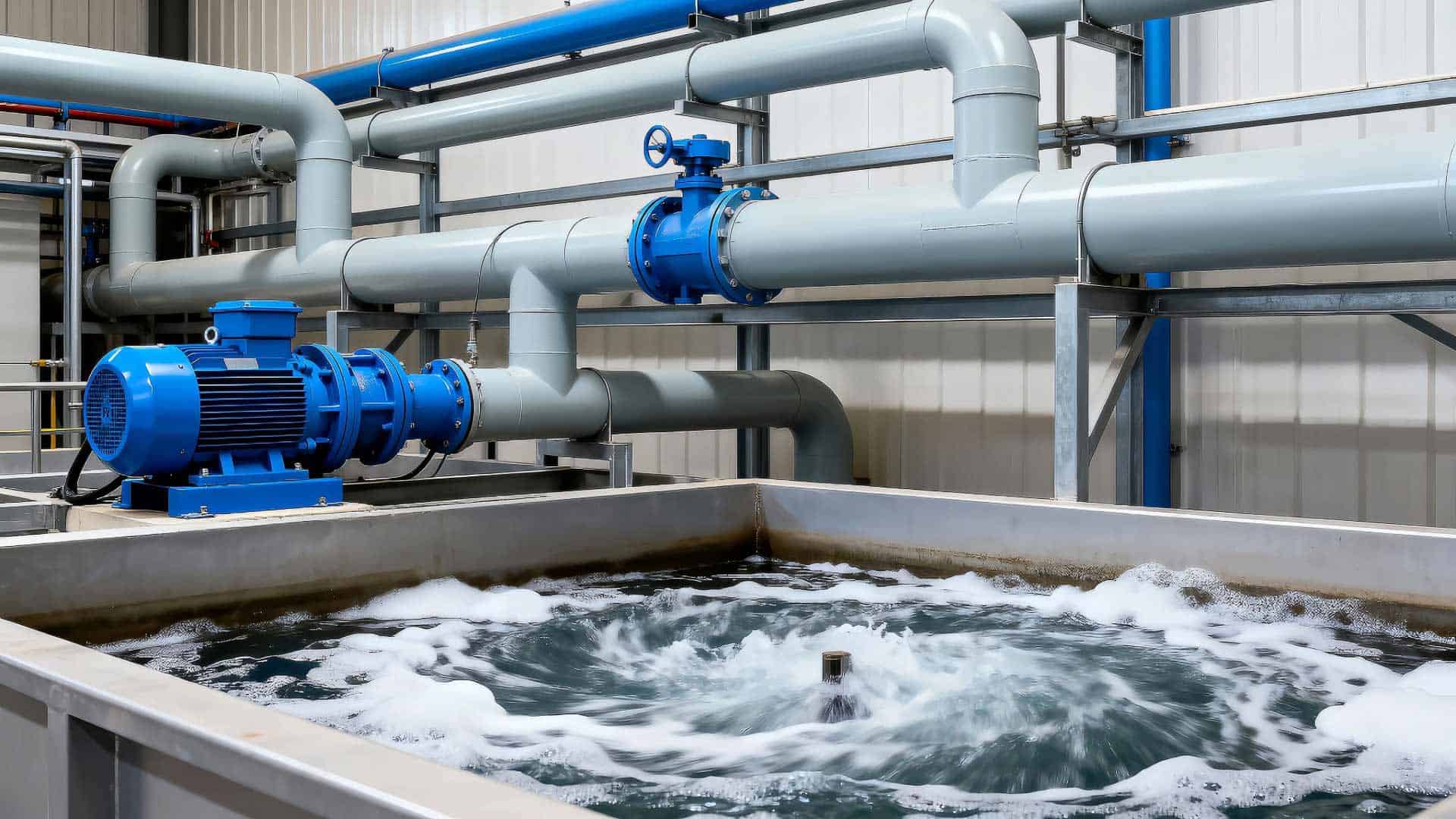
A clear PFAS extraction pathway helps utilities and biosolids operators move from monitoring and pilot testing to scalable, compliant infrastructure for long-term PFAS management.
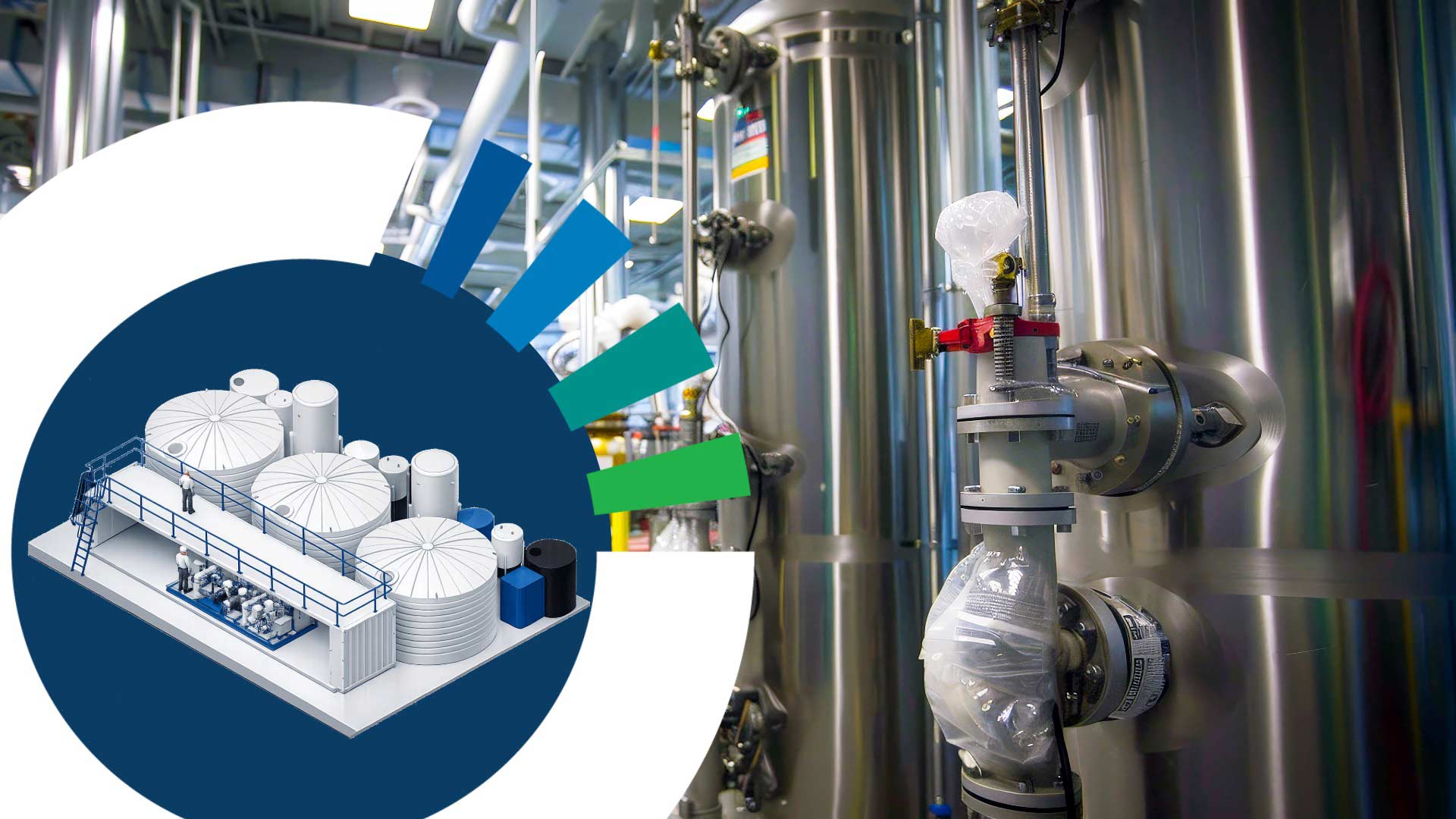
What does pilot-scale PFAS extraction really prove? This article explores how pilot-scale validation bridges the gap between laboratory research and scalable infrastructure solutions for PFAS removal from biosolids and wastewater streams.

PFAS in biosolids is now a regulatory & environmental risk. Discover why it can no longer be ignored & what practical treatment pathways exist.

The PFAS Senate Inquiry 2025 marks a turning point for how Australia manages PFAS contamination. With tighter regulation...
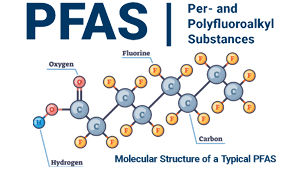
PFAS treatment solutions are shifting beyond activated carbon. As regulations tighten, Australia needs cleaner, scalable technologies that remove PFAS—not just capture it.